AGV Battery Packs LiFePO4 Fast Charging Maximizing Uptime
Introduction to AGV Power Requirements
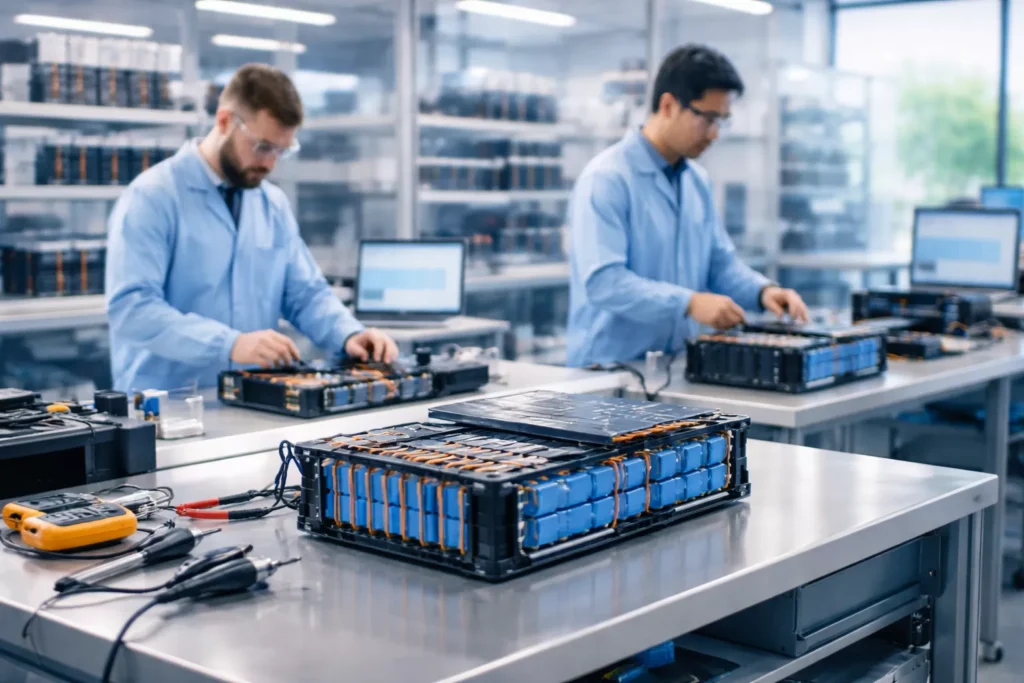
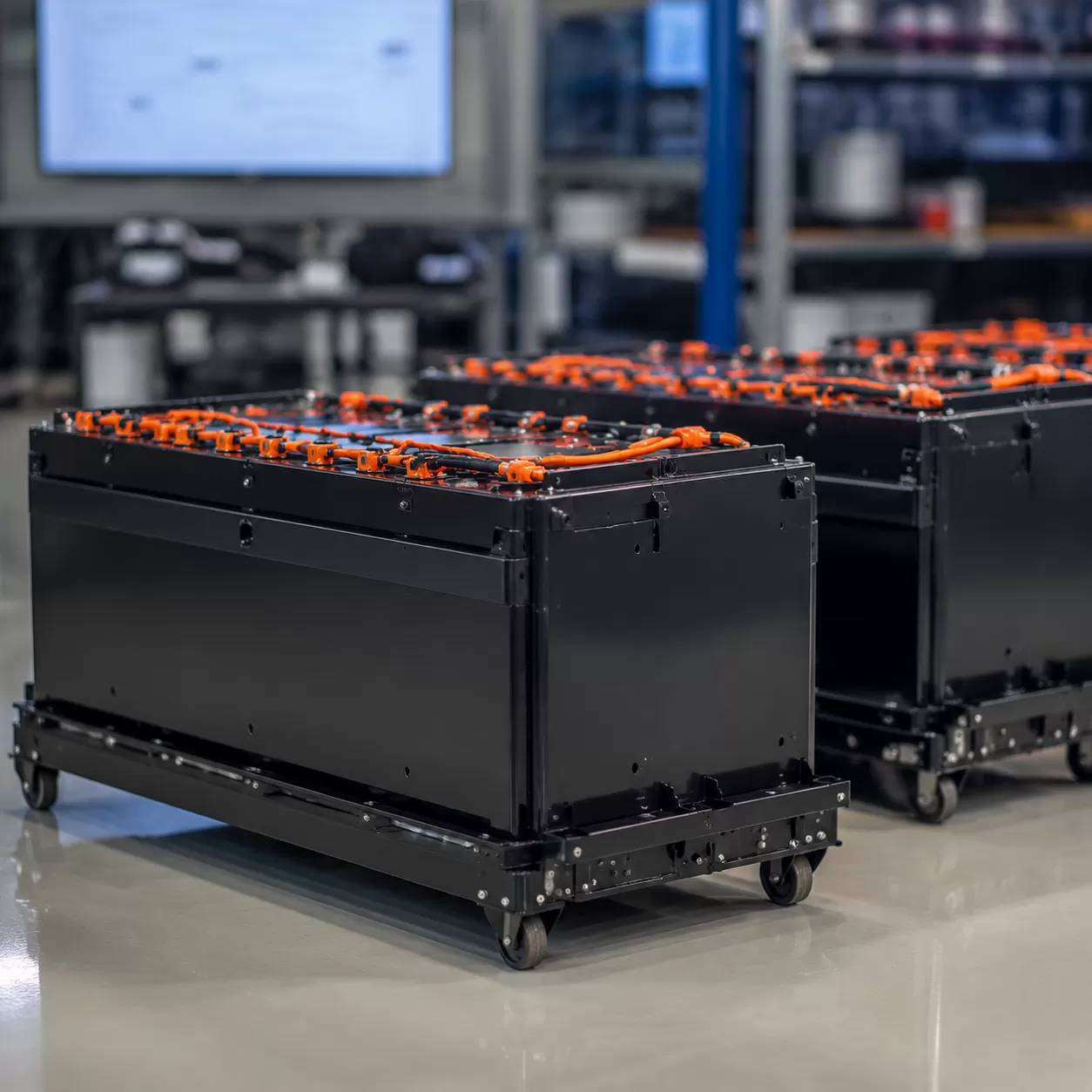
Automated Guided Vehicles (AGVs) and Autonomous Mobile Robots (AMRs) have revolutionized material handling, moving operations from manual labor to fully automated workflows. Reliable, efficient power delivery is fundamental to their performance and uptime. At the core of this automation lies the battery pack—an essential component dictating operational range, load capacity, and cycle life.
Evolution of Material Handling
| Phase | Description | Power Demands |
|---|---|---|
| Manual | Human-operated forklifts and carts | Minimal, human-powered |
| Semi-Automated | Assisted vehicles with limited automation | Moderate, charging downtime accepted |
| Fully Automated | AGVs/AMRs with autonomous navigation and tasks | High, continuous uptime critical |
As industries push for 24/7 operations and rapid throughput, traditional power sources fail to meet expectations. Battery packs now must deliver higher energy density, faster charging, and smarter management to support complex logistics workflows.
Battery Pack: The Heart of AGV Efficiency
The battery pack is more than an energy reservoir—it directly impacts:
- Vehicle range and duty cycles
- Heavy-lifting capacity under constant load
- System reliability and maintenance schedules
A subpar battery leads to frequent downtimes, increased operational costs, and interrupted workflows, which no modern warehouse can afford.
Common Power Bottlenecks in Smart Warehouses
- Inadequate charging infrastructure, causing delayed vehicle turnaround
- Battery degradation reducing capacity and peak power delivery
- Lack of integrated electronic monitoring, leading to unexpected failures
- Space-consuming battery swap areas reducing usable floor space
Addressing these bottlenecks depends on selecting the right battery chemistry and management system to ensure seamless and efficient AGV fleet performance.
When comparing AGV battery chemistries, traditional lead-acid batteries—including AGM and pure-lead types—offer a low upfront cost but come with significant drawbacks like frequent downtime, heavy weight, and shorter cycle life. These characteristics increase maintenance needs and reduce operational efficiency in demanding logistics environments.
In contrast, industrial lithium-ion batteries, specifically Lithium Iron Phosphate (LiFePO4), have become the gold standard for modern AGV and autonomous mobile robot power supplies. LiFePO4 cells deliver higher energy density, faster charging speeds, longer cycle life, and lower total cost of ownership. Their superior thermal stability and built-in safety features also make them far better suited for harsh industrial conditions, minimizing risks of overheating or explosions.
A direct comparison reveals that LiFePO4 battery packs dramatically outperform lead-acid chemistry in critical areas:
- Energy density: Up to 3x greater, supporting longer runtimes and smaller pack sizes
- Charging speed: Rapid opportunity charging capabilities for 24/7 fleet uptime
- Maintenance: Virtually maintenance-free compared to acid batteries’ regular water top-ups
- Lifetime cost: Reduced replacement frequency offsets higher initial investment
The inherent safety and thermal resilience of LiFePO4 batteries ensure consistent, reliable performance in smart warehouse automation, making them an essential component for next-generation AGV power solutions. For durable industrial-grade packs tailored to logistics automation, exploring advanced lithium pack engineering delivers tangible benefits in fleet productivity and safety. More details on our high-rate industrial battery technology are available on our lithium battery packs page.
Key Performance Parameters of High-Quality AGV Battery Packs
High-quality AGV battery packs rely on high-rate industrial cells optimized for rapid discharge and consistent power delivery. Their discharge profiles must support heavy-duty cycles without voltage drops that affect performance.
Voltage and Capacity Customization
- Common voltages: 24V, 48V, 80V — chosen to match specific AGV powertrain requirements.
- Capacity (Ah) tailored to runtime and load demands, ensuring reliable lifting and movement.
Smart Electronic Monitoring: Battery Management Systems (BMS)
Integrated BMS play a critical role by:
- Preventing overcharge/overdischarge to extend battery life.
- Monitoring cell health and temperature in real time.
- Enabling predictive maintenance and fault detection.
- Communicating status to fleet managers automatically.
Industrial Communication Protocols
- CAN bus and RS485 enable seamless integration of battery data into warehouse fleet management systems.
- These protocols allow remote monitoring, diagnostics, and coordinated charging schedules, maximizing uptime.
| Parameter | Importance | Typical Range/Options |
|---|---|---|
| Voltage | Matches AGV motor specs | 24V, 48V, 80V |
| Capacity (Ah) | Determines run time | Custom depending on load |
| Discharge rate | Supports peak power needs | High-rate industrial cells |
| BMS Functions | Safety, longevity, diagnostics | Cell balancing, thermal control |
| Communication Protocols | Fleet integration and control | CAN bus, RS485 |
Leveraging smart battery packs designed with these parameters ensures peak efficiency, safety, and longevity in automated guided vehicle operations. Our Kingchi OEM battery packs exemplify this balance to drive logistics automation forward.
Optimizing fleet efficiency in 24/7 warehouse operations hinges on smart charging strategies tailored to automated guided vehicle power demands. Opportunity charging, where AGV battery packs are recharged during short, frequent breaks, maximizes runtime without lengthy downtime, contrasting with conventional scheduled charging that requires longer, less flexible charging windows. Choosing between onboard and off-board charging systems depends largely on your warehouse layout and operational flow. Onboard chargers integrated into the vehicle enable frequent top-ups without removing the battery, while off-board chargers may offer faster charging rates but require battery swaps or dedicated charging stations. Eliminating bulky battery swap rooms through advanced charging methods not only reduces capital and operating costs but also reclaims valuable floor space for core logistics activities. Leveraging optimized battery management and efficient chargers, such as those available from Kingchi, supports continuous fleet availability and streamlines warehouse automation energy storage. For high-rate industrial cells, tailored solutions with opportunity charging capability ensure your AGV fleet keeps pace with demanding production cycles. More information about efficient battery chargers can be found at Kingchi’s battery charger product pages.
Ensuring safety and compliance in harsh industrial environments is critical for AGV battery packs. Advanced thermal management systems enable reliable operation in extreme temperatures—down to -30°C for cold storage and above 50°C in high-heat manufacturing areas. These systems prevent thermal runaway and maintain battery performance and longevity under demanding conditions. Explosion-proof housings and IP-rated enclosures protect battery packs from dust, moisture, and potential sparks, meeting stringent industrial safety standards. Robust structural design also ensures durability against vibration and mechanical stress on the line.
Maximizing return on investment means choosing battery packs engineered to deliver 4,000+ charge cycles or more. High-quality cells combined with intelligent Battery Management Systems (BMS) monitor charge and discharge rates to prevent overuse, extending battery life and minimizing downtime. By prioritizing safety features and longevity in your AGV power solution, operational reliability in tough environments improves dramatically, lowering total cost of ownership without sacrificing performance. For example, our industrial lithium-ion battery packs are optimized for rigorous applications where thermal stability and explosion-proof ratings are required, ensuring consistent uptime even in the most severe settings.
Choosing the right professional power solution partner is critical for maximizing AGV battery pack performance and fleet uptime. Off-the-shelf standard battery packs often provide a fast deployment option but may fall short on customization, capacity, or integration with your specific automated guided vehicle requirements. In contrast, fully tailored OEM/ODM battery engineering ensures batteries are precisely designed for your voltage, capacity, and discharge needs, optimizing efficiency and longevity.
At Kingchi, we specialize in engineering high-rate industrial cells with advanced lithium iron phosphate (LiFePO4) chemistry, delivering superior thermal stability, fast charging, and reliable power for next-generation mobility solutions. Our expertise supports seamless integration with smart battery management systems and industrial communication protocols to enhance fleet management and operational intelligence.
Before placing large orders, key aspects to clarify with your industrial battery manufacturer include:
- Customization capabilities for voltage (24V, 48V, 80V) and capacity (Ah)
- Quality and cycle life guarantees aligned with 4,000+ recharge cycles
- Support for integrated BMS and CAN bus or RS485 communication for real-time monitoring
- Thermal management design suited for your warehouse environment
- Proven experience in high-rate cell manufacturing optimized for heavy-duty AGV use
Partnering with a manufacturer like Kingchi, who combines tailored design with proven high-rate industrial cell technology, ensures your automated guided vehicle battery packs meet the demanding power needs of modern logistics automation without compromise. One can explore specialized lithium-ion options like our Kingchi JC213867N 7.4V 2500mAh Li-ion battery engineered specifically for industrial applications.
Frequently Asked Questions

Get a Fast, Custom Bamboo Quote